Home insulation
Whole-home insulation planning that addresses attic, walls, and crawl space together for the biggest reduction in heat loss.
Learn more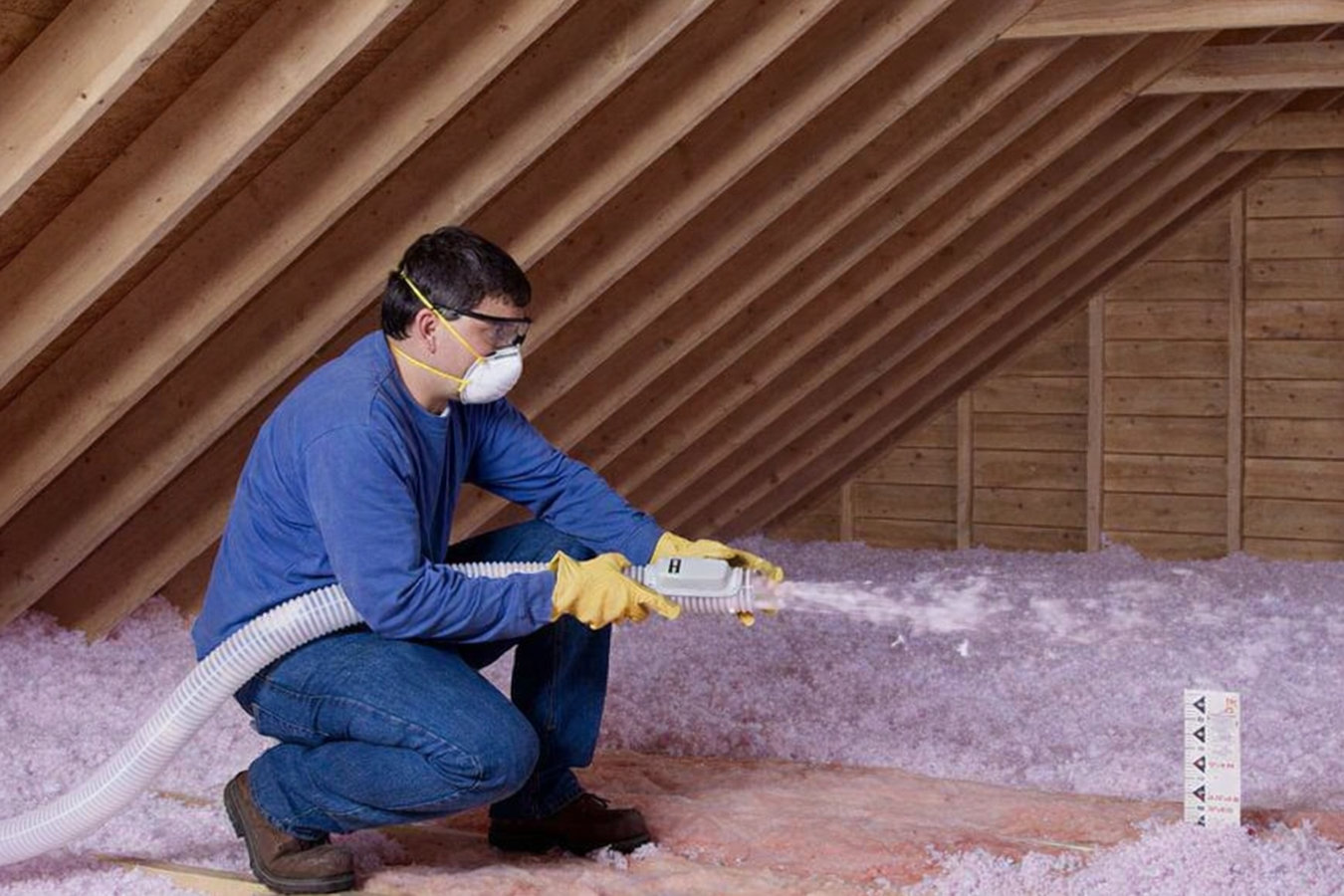
Thin or settled attic insulation is one of the biggest reasons Missoula heating bills run high. We blow in material to the correct depth so your home holds heat through every cold snap.
Blown-in insulation in Missoula fills attic spaces and wall cavities with loose material blown in through a hose - most attic jobs are complete in a single day. Unlike rigid batts that leave gaps at corners and around framing, loose-fill material works its way into every irregular space to create a more complete thermal barrier. For a climate zone as cold as Missoula, that thoroughness is what separates an attic that performs from one that just looks insulated.
A large share of Missoula homes were built between the 1940s and 1970s, when insulation standards required far less material than what is recommended today. If your home was built before 1980 and has never had an insulation upgrade, there is a strong chance the attic is under-insulated. Cold rooms on the top floor, heating bills that run high all winter, and ice dams along the roofline are all signs that your attic is not doing enough of the work.
Blown-in insulation works best when paired with whole-home insulation planning - treating the attic alongside crawl spaces and walls gives you the biggest reduction in heat loss and the most noticeable improvement in comfort.
If your natural gas or electric bill has crept up over the past few winters without any change in your habits, heat loss through the attic is one of the most common culprits. In Missoula's cold winters, an under-insulated attic accounts for a significant portion of total heat loss. A furnace that runs almost constantly on cold nights is the same signal - it is working harder because heat is escaping faster than the system can replace it.
If one or two rooms in your home never seem to reach a comfortable temperature - especially rooms on the top floor or at the corners of the house - inadequate insulation is often the reason. Heat rises and escapes through the attic fastest in the spots directly above those rooms. This is especially common in older Missoula bungalows and ranch-style homes, where attic insulation was applied unevenly or not at all.
If you can safely peek into your attic and the insulation looks less than about a foot deep, or you can see the wooden joists poking through, you are well below the recommended level for Missoula's climate. Old fiberglass batts that have flattened over the years provide much less protection than they did when new. A quick look with a flashlight is all it takes to get a rough sense of where you stand.
Ice dams - the ridges of ice that form along the edge of a roof after snowfall - are a classic sign that heat is escaping through your attic and melting snow unevenly. Missoula gets enough snow and cold that ice dams are a real concern, and they can force water under shingles and into your home. Improving attic insulation and air sealing is one of the most effective ways to prevent them from forming each winter.
We install both cellulose and fiberglass blown-in insulation, and we start every job with a thorough attic assessment before recommending either one. Cellulose is made from recycled paper treated to resist fire and pests, and it excels at filling the kinds of irregular spaces common in older Missoula homes. Fiberglass holds its depth more consistently over time with less settling. Both materials are well-suited to Montana's cold winters, and the choice between them depends on your attic's specific layout and any moisture concerns we find during the assessment. Attic insulation is the most common starting point, but we also install blown-in material in wall cavities for homes where exterior walls are under-insulated.
Every blown-in job includes air sealing before any material goes in - we plug gaps around light fixtures, plumbing penetrations, and attic hatches that would otherwise let warm air escape right past the new insulation. This is the step that makes the difference between a job that delivers measurable savings and one that just adds material. We also help you navigate available rebates through NorthWestern Energy so you have all the documentation you need to submit a claim after the work is done. You can learn more about energy efficiency standards for cold climates through the U.S. Department of Energy.
Best for attics with irregular framing, narrow spaces, and corners - fills thoroughly around obstructions in older Missoula homes.
Best for attics where long-term depth retention is a priority - holds its thickness more consistently with minimal settling over time.
Best for homes with existing insulation that has settled below the recommended depth - adds material on top of what is there without full removal.
Best for homes with uninsulated or under-insulated exterior walls - material is blown in through small holes without opening walls from inside.
Missoula sits in a mountain valley where cold air settles and stays. The Department of Energy places this region in one of the colder climate zones in the country, calling for significantly more attic insulation than most homes in warmer parts of Montana. Temperatures regularly drop below zero in January and February, and homes that cannot hold heat through those cold snaps force furnaces to run almost around the clock. Most homes built here before the 1990s were insulated to standards that made sense at the time but fall well short of what is recommended today. Homeowners across the University District and South Hills neighborhoods are often surprised by how much their older homes are losing.
Missoula also has a documented air quality problem in winter. The valley geography traps smoke from wood stoves and other sources during cold inversions, and on those days the outdoor air can be genuinely unhealthy. When blown-in insulation is installed alongside thorough air sealing, the gaps that let smoke-laden outdoor air into living spaces get closed. Homeowners we serve across Hamilton and the Missoula area regularly mention cleaner indoor air as an unexpected benefit after an attic upgrade.
When you reach out, we ask a few quick questions - your home's square footage, when it was built, and any comfort problems you have noticed. We schedule a free in-home visit within one business day in most cases.
We go into your attic with a flashlight and ruler to measure current depth and check for air leaks and moisture. You receive a written estimate specifying the material, target depth, air sealing scope, and total cost before any commitment.
The crew seals any air gaps first, then runs the hose into the attic and blows in material to the target depth. Most standard attics are finished in two to four hours. You do not need to leave your home during the work.
After installation, the crew cleans the access area and walks you through what was done. We provide all documentation needed to submit a NorthWestern Energy rebate claim so you are not chasing paperwork after the fact.
Free estimate, written quote, no pressure. We reply within one business day.
(406) 550-8187We seal gaps around light fixtures, plumbing penetrations, and wall top plates before any new material goes in. Skipping that step is the most common reason homeowners do not see the savings they expected. We do it as part of the job, every time.
You get a written record of the materials installed and the coverage achieved on every blown-in project. Clear documentation gives you a reference if a question comes up and keeps your home's record clean when you sell.
We provide all the documentation you need to submit a rebate claim to NorthWestern Energy after the job - product specs, installation records, and guidance on what to submit. Most homeowners do not realize rebates are available until after they have already paid. We make sure you know before you sign.
We have insulated attics in University District bungalows, South Hills ranch homes, and newer subdivisions near Grant Creek. Older Missoula homes each have their quirks - narrow hatches, compressed old batts, rodent damage - and we know how to handle them without surprises on installation day.
Missoula homeowners need a contractor who knows the local climate, understands the housing stock, and handles the rebate paperwork so you do not have to. Those are the basics we bring to every job.
Whole-home insulation planning that addresses attic, walls, and crawl space together for the biggest reduction in heat loss.
Learn moreDedicated attic insulation service covering blown-in, batt, and air sealing to cut heating costs and prevent ice dams.
Learn moreHeating season in the valley is long - the sooner your attic is insulated correctly, the sooner you start saving. Call or submit a request today and we will respond within one business day.